Terminal Fertisa
VBS for Terminal Logistics Coordination
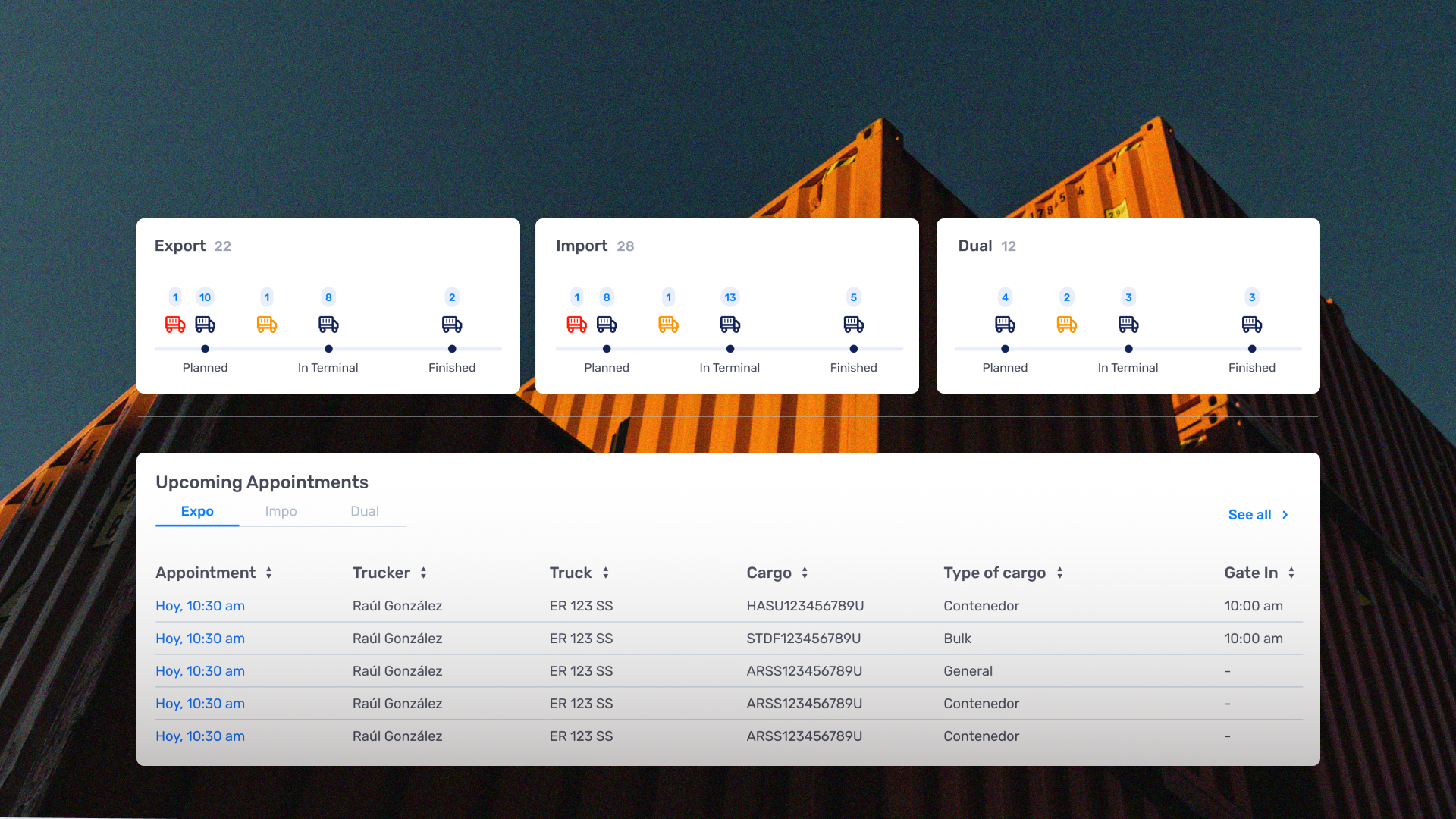
We implemented C.Hub to synchronize transport inflow with the terminal’s operational capacity, reducing congestion and improving both predictability and landside logistics.
Highlights
The Challenge
Terminal Fertisa aimed to streamline truck flow into and out of the terminal, creating a simpler, frictionless experience. The terminal had a manual slot coordination system and a lack of predictability that usually led to gate congestion, unnecessary waiting times and difficulties aligning landslide logistics with port operations.
The Solution
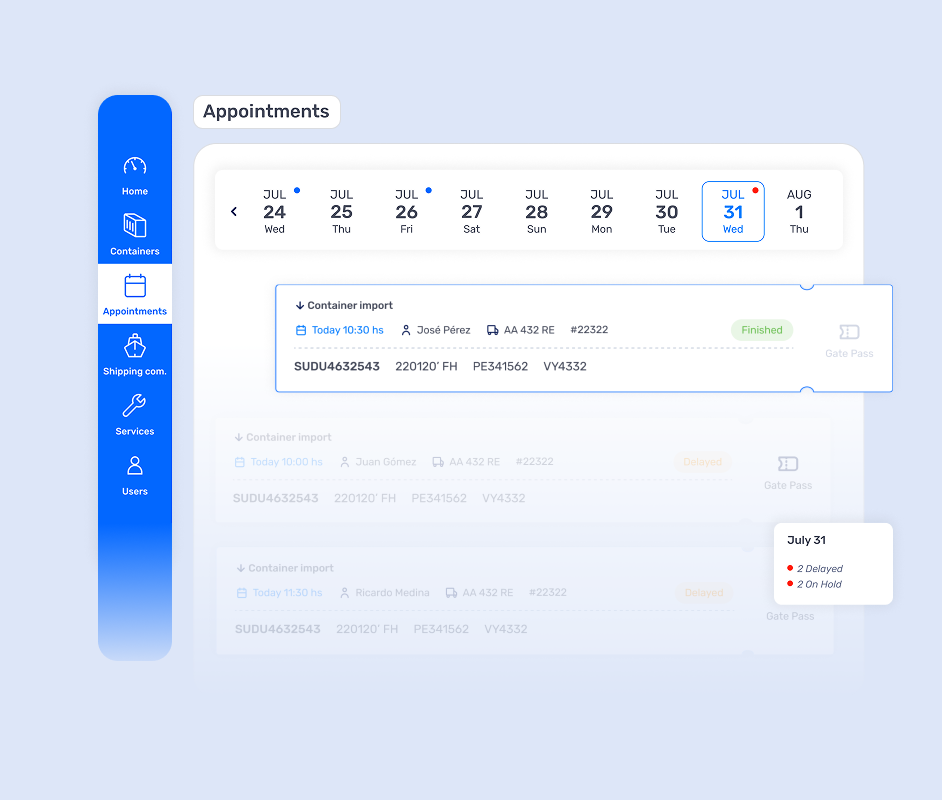
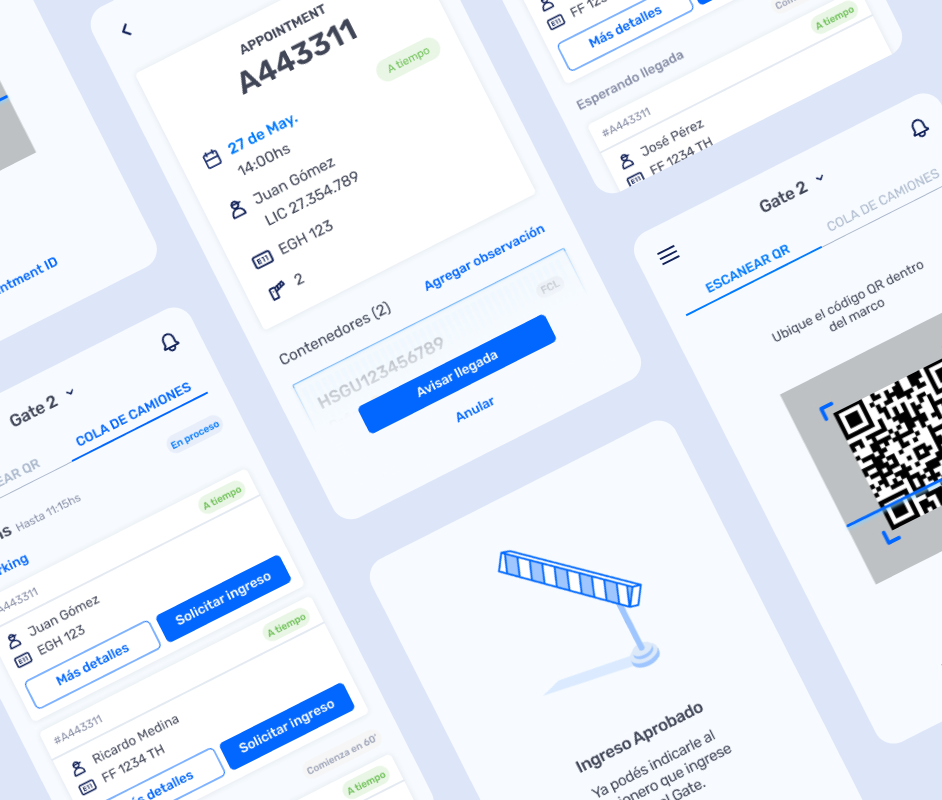
We implemented C.Hub to align truck inflow with the terminal’s operational capacity, allowing transport companies to self-schedule appointments digitally. The solution connects the terminal to the logistics ecosystem, improving end-to-end operational visibility, cargo inbound planning, and enabling an easy integration with other existing systems to ensure continuous information flow.
The Outcome
The system structured transport flow and reduced congestion in access points, and it also enhanced both operational efficiency and the experience of truckers and clients. Digitalizing slot scheduling also enabled greater operational predictability and a more efficient use of resources, resulting in a more traceable, well-planned landside logistics process.
About Terminal Fertisa
It is an Ecuadorian port terminal specialized in operations and storage of dry bulk cargo and fertilizers. Its infrastructure was designed to efficiently handle large volumes of agricultural goods, with an installed annual capacity of 2,500,000 tons and 120,000 tons of storage, turning it into a strategic node within the agro-industrial logistics network.